
Key Takeaways
- In M&A, “Information Latency” creates deal friction; AI ensures that buyers receive technical guidance the moment they encounter a roadblock.
- AI voice agents act as a Due Diligence Coordinator, helping buyers navigate the Virtual Data Room (VDR) and answering preliminary questions on financial normalization.
- Automation identifies and flags “Critical Deal-Killers” instantly, providing the lead advisor with an organized brief before the morning session.
In the high-pressure environment of a mid-market merger or acquisition, the Virtual Data Room is the engine room of the transaction. For a buyer, the discovery phase is a race to validate the valuation before the exclusivity period expires. When their analysts are grinding through spreadsheets after hours, they often hit “information gaps”—questions about a specific line item in the Quality of Earnings (QofE) report or the location of a key supplier contract. If the lead advisor is offline, that analyst’s work stops, and the deal loses a day of velocity.
The Cost of the Status Quo
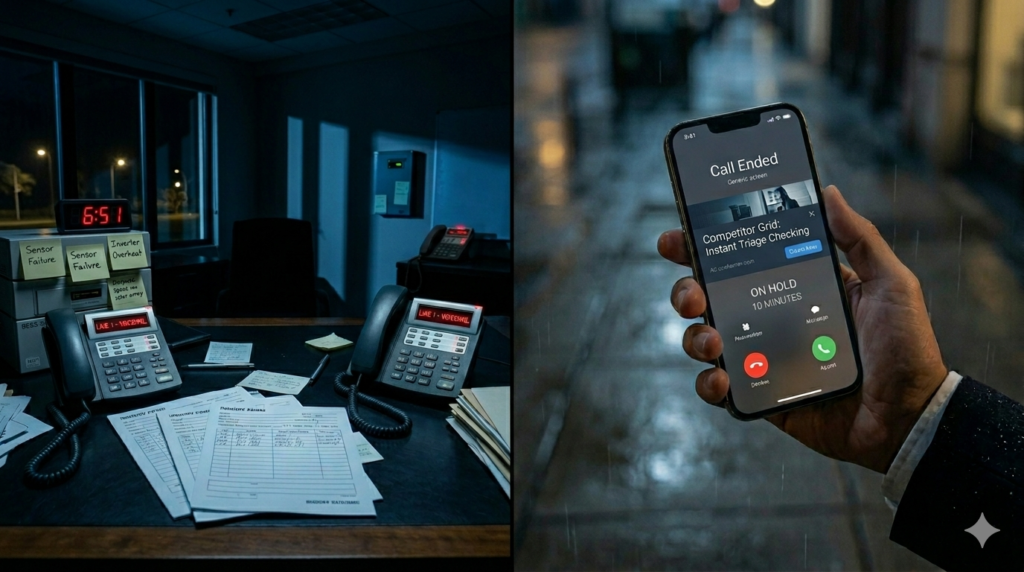
Traditional M&A advisory suffers from “The Partner Bottleneck.” Because the stakes are so high, junior associates are often forbidden from answering buyer inquiries without partner approval. This leads to a massive backlog of “Level 1” questions: “Where is the 2024 insurance schedule?” “Can you explain the add-back for the founder’s personal travel?” These inquiries don’t require strategic genius; they require technical retrieval.
When these questions sit in an inbox for 12 hours, it signals a lack of preparedness. To a sophisticated private equity buyer, a slow response during due diligence suggests that the target company’s books are disorganized, often leading to a “re-trade” where the buyer lowers their offer price based on perceived risk. The failure is not the data—it’s the Access to the Data.
How AI Automation Recaptures Revenue
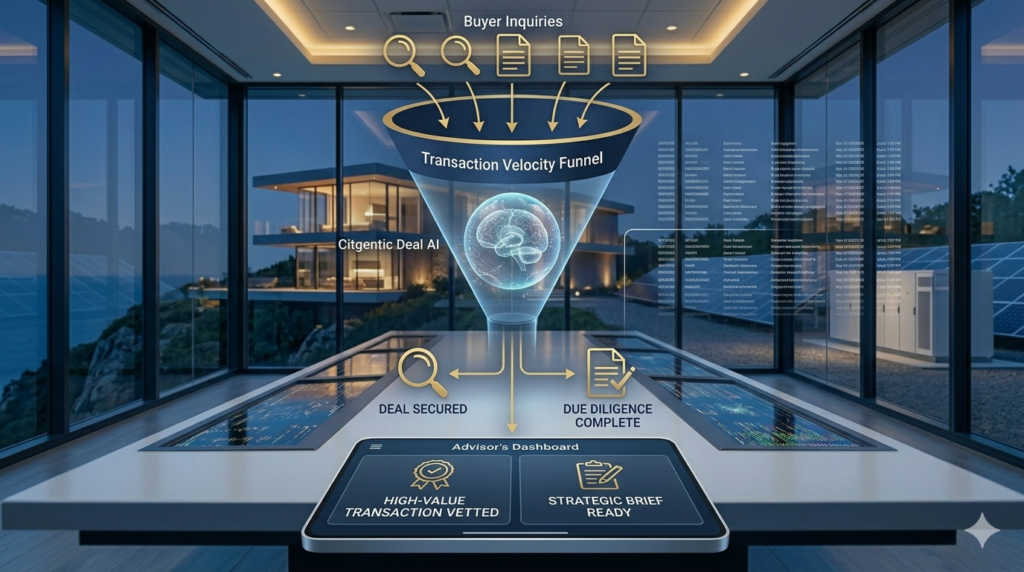
Citgentic builds a digital “Deal-Room Liaison” that functions as a high-IQ bridge between the buyer’s curiosity and the seller’s data.
24/7 VDR Navigation & Technical FAQ
Our AI is trained on the specific folder structure and financial narrative of your deal. When a buyer calls with a discovery question, the AI can provide instant guidance: “The lease agreements for the Midwest facilities are located in Folder 4.2, subfolder B. Would you like me to email you the direct link?” It can even explain standard adjustments: “The $200k add-back in 2023 represents a one-time relocation cost for the CEO, which is non-recurring.”
“Red-Line” Risk Identification
The AI doesn’t just answer questions; it listens for threats. If a buyer’s inquiry suggests they have found a significant discrepancy in the accounts or a potential legal liability, the AI triggers its Strategic Escalation Protocol. It doesn’t just take a message; it generates a Priority Deal Brief for the lead partner, summarizing the buyer’s concern and the specific documents they were reviewing when the issue arose. The partner wakes up with a strategy, not just a problem.
Momentum Maintenance
By providing instant technical support, the AI keeps the buyer’s team working. This “Continuous Discovery” model shortens the due diligence window and keeps the pressure on the buyer to move to a definitive agreement. The AI acts as the “Ghost in the Machine,” ensuring that the administrative friction of a $50M transaction never slows down the strategic intent.
Upgrading Your Operational Infrastructure
In the M&A market, your brand is defined by your ability to close. By implementing an AI Deal-Room Liaison, you provide your clients with a modern, high-velocity transaction environment. You protect your partners’ time for high-stakes negotiation and ensure that your deals move from LOI to Closing at the speed of the market, not the speed of an email thread.
Want results like this?
Let's build a custom AI receptionist that understands your exact business, books appointments, and captures missed revenue.